The Forgotten Graves: GMMB’s Neglect of Cape Coast’s Colonial War Cemetery
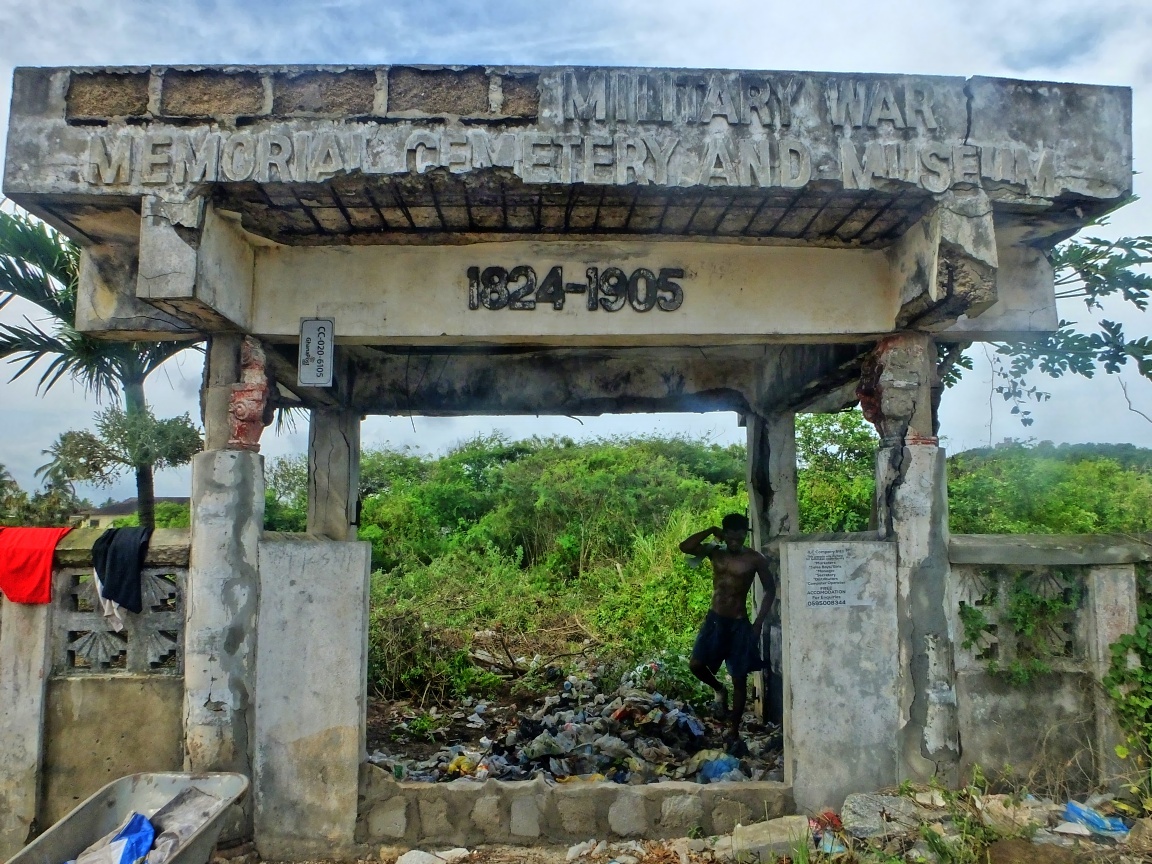
Millions for Heritage, Yet the War Cemetery is Forgotten: Where Has GMMB’s Accountability Gone?
Ghana’s colonial and military history is etched into the walls of its forts and castles—but one of its most historically significant sites, the 1824–1905 Colonial European / Garrison War Cemetery in Cape Coast, has been all but erased from official heritage recognition. Shockingly, the Ghana Museums and Monuments Board (GMMB) does not even list the cemetery under its “Other Monuments,” despite substantial international funding allocated specifically for its preservation.
A Legacy of Neglect Despite Generous Funding
Over the past decade, multiple grants intended for the preservation of Ghanaian heritage have flowed into the coffers of GMMB and related projects:
€30,000 from the Prince Claus Fund (Netherlands) under the Cultural Emergency Programme was designated for the restoration of the Colonial European / Garrison Cemetery. The grant was explicitly meant to restore tombs, repair walkways, and refurbish memorial slabs.
US$30,000 from UNESCO’s World Heritage Fund, earmarked for documentation of forts and castles in Ghana, including Cape Coast, intended to create resources for heritage research and public engagement.
US$5.6 million from USAID, alongside a US$250,000 seed fund, aimed to support the preservation and maintenance of Elmina and Cape Coast Castles and other related heritage sites.
These funds, collectively amounting to millions of dollars and euros, were significant enough to ensure visible, measurable outcomes. Yet today, the cemetery remains overgrown, largely undocumented, and inaccessible to most researchers and visitors.
1834 War CemeterySearch our Network. Start here.
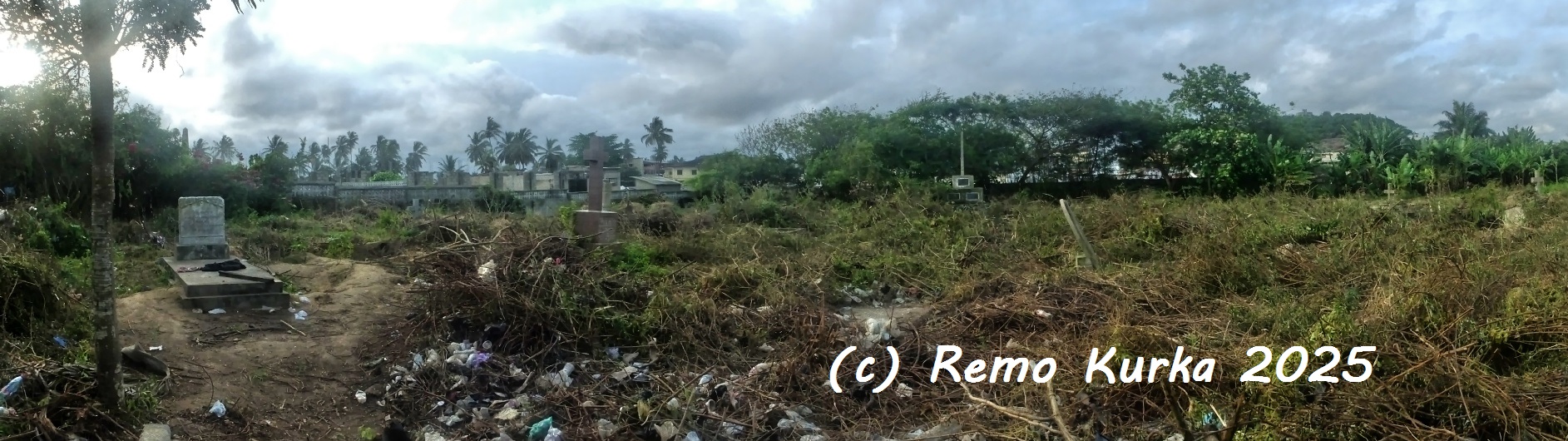
The Forgotten Graves: GMMB’s Neglect of Cape Coast’s Colonial War Cemetery (Photo, after last weeks partial clean up!)
What the Cemetery Represents—and What Is Being Ignored
The 1824–1905 War Cemetery holds graves of colonial troops, European traders, and nursing sisters, including mass burials from the 1824 military campaign. Its stones are a vital record of Ghana’s colonial military history, tropical disease, and the human cost of empire.
Despite this historical significance:
The cemetery is not listed on GMMB’s “Other Monuments” webpage, effectively rendering it invisible in national heritage frameworks.
Restoration promised through the Prince Claus Fund grant appears uncompleted or undocumented publicly. There is little evidence of repaired tombs, restored walkways, or maintenance of memorial slabs.
Even with millions allocated via USAID and UNESCO for heritage preservation, no public reporting links these funds to tangible work at the cemetery.
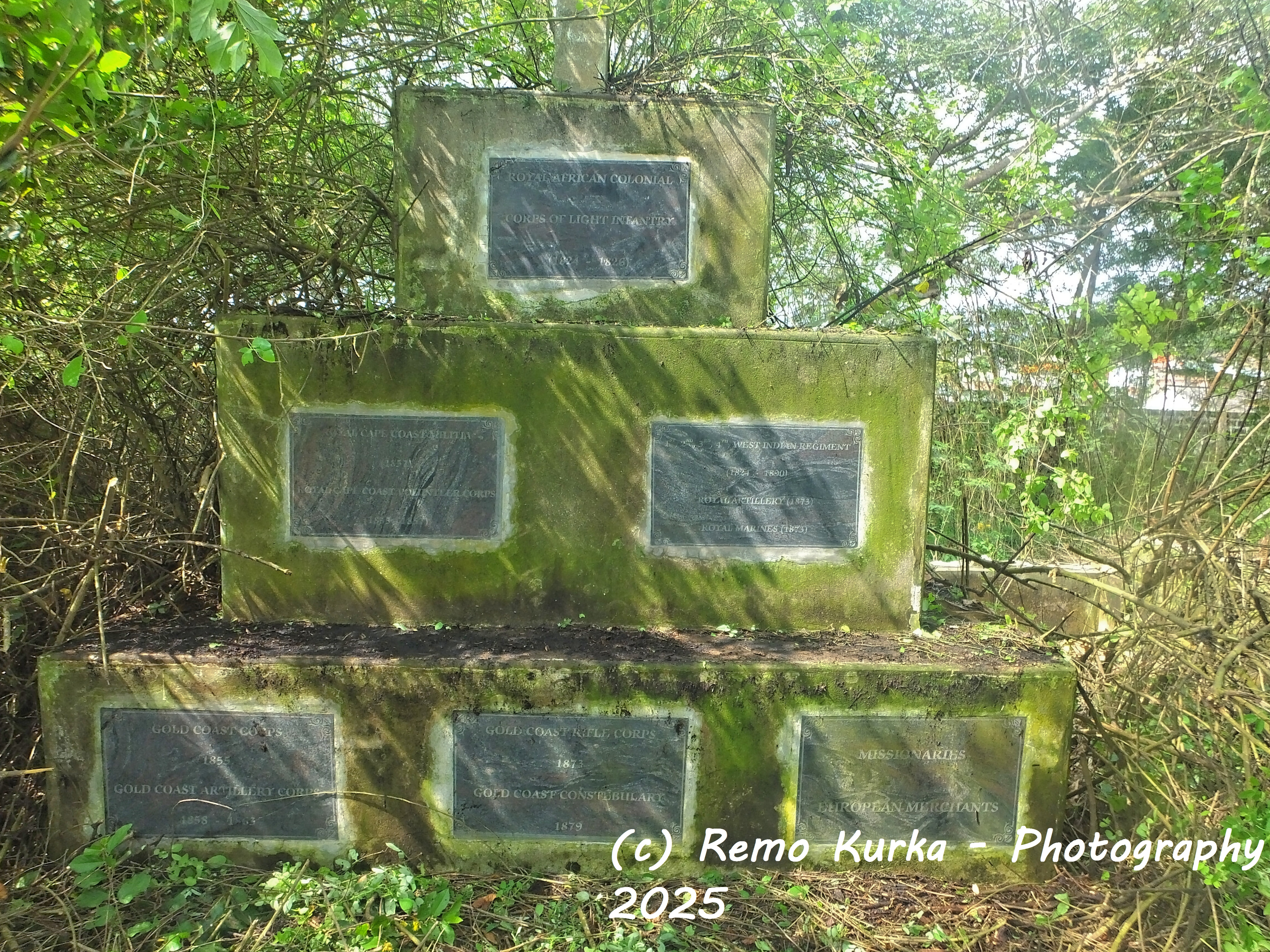
The Forgotten Graves: GMMB’s Neglect of Cape Coast’s Colonial War Cemetery. 1824–1905 Colonial European / Garrison War Cemetery in Cape Coast.
The Accountability Gap
This raises urgent questions:
How does GMMB allocate and report on funds for heritage projects?
Why has a cemetery with internationally recognized historical significance been excluded from official listings and public heritage tours?
Where exactly did the €30,000 from the Prince Claus Fund, the US$30,000 from UNESCO, and millions from USAID go, if not to preserving this cemetery?
The lack of transparency undermines public trust and raises concerns about fund management, prioritization, and oversight. International donors and Ghanaian taxpayers alike deserve answers.
The Human Cost of Neglect
This is not just about bricks and stones—it’s about memory. Graves of soldiers, officers, and nursing sisters who gave their lives in Ghana lie forgotten, overgrown, and at risk of decay. Their stories are essential to understanding Ghana’s colonial past, yet without intervention, they risk being lost to time.
A Call to Action
GMMB must:
Immediately document and restore the 1824–1905 War Cemetery, as originally intended under international grants.
Publicly account for all funds allocated to the cemetery, detailing exactly what has been spent and what remains outstanding.
Integrate the cemetery into official heritage listings, tour routes, and educational materials to preserve its legacy for researchers, tourists, and local communities.
The 1824–1905 War Cemetery is a national treasure left in neglect. Millions of dollars have been pledged for heritage preservation; it is time for GMMB to deliver tangible results, not just promises. The world is watching—and history will not forgive silence.