From Cape Coast to the Gambia: Tracing the Footsteps of the 2nd West India Regiment
From Cape Coast to the Gambia: Tracing the Footsteps of the 2nd West India Regiment
History often whispers more than it shouts. At Cape Coast’s 1824 War Cemetery, the stones tell quiet, persistent stories — their patina and weathered carvings holding secrets of service, sacrifice, and the complex web of British colonial campaigns in West Africa. Among them, the 1891–1892 memorial block of the 2nd West India Regiment (2nd WIR) stands out. Solid and unadorned, it is a testament to Caribbean-born troops who served with understated pride, trading Gold Coast fevers for the riverine ambushes of the Gambia. There are no flowery epitaphs here — only the silent declaration: “we served, we shipped out.”
1834 War CemeterySearch our Network. Start here.
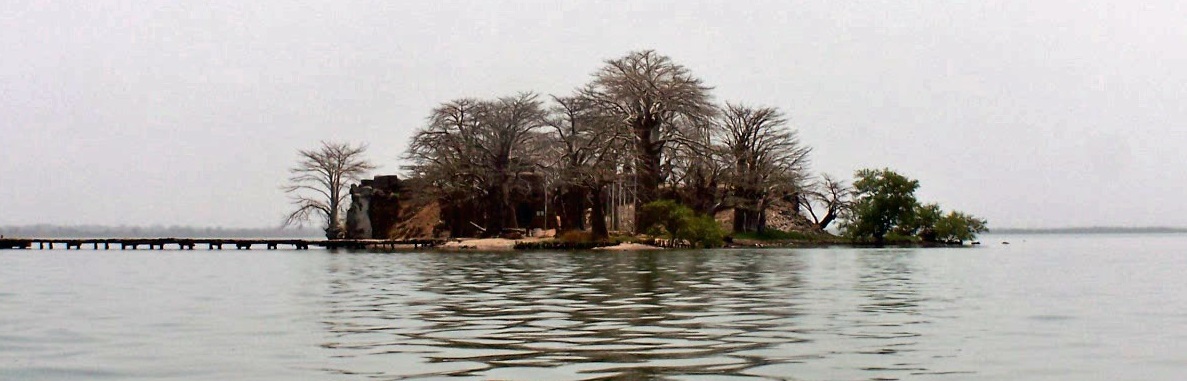
The Gambia - Overgrown Slave and Colonial Fort
A Regiment Across Two Coasts
The 2nd WIR’s presence extended far beyond the Cape Coast. Their operations in the Gambia — navigating rivers, engaging with Fodey Kabba’s marabout forts, and dodging grapeshot at Tubab Kolonkolan — were part of a larger imperial chessboard. The same soldiers who left their mark on Fever Row in 1874 later carried their discipline and stories from Ghana to Banjul. Mapping these movements, with the help of archival records and surviving stone markers, reveals the human churn at the edge of empire: tropical fevers, guerrilla-style skirmishes, and the tireless efforts of Hausa porters and nursing sisters, often overlooked in traditional narratives.
The Thrill of Fieldwork
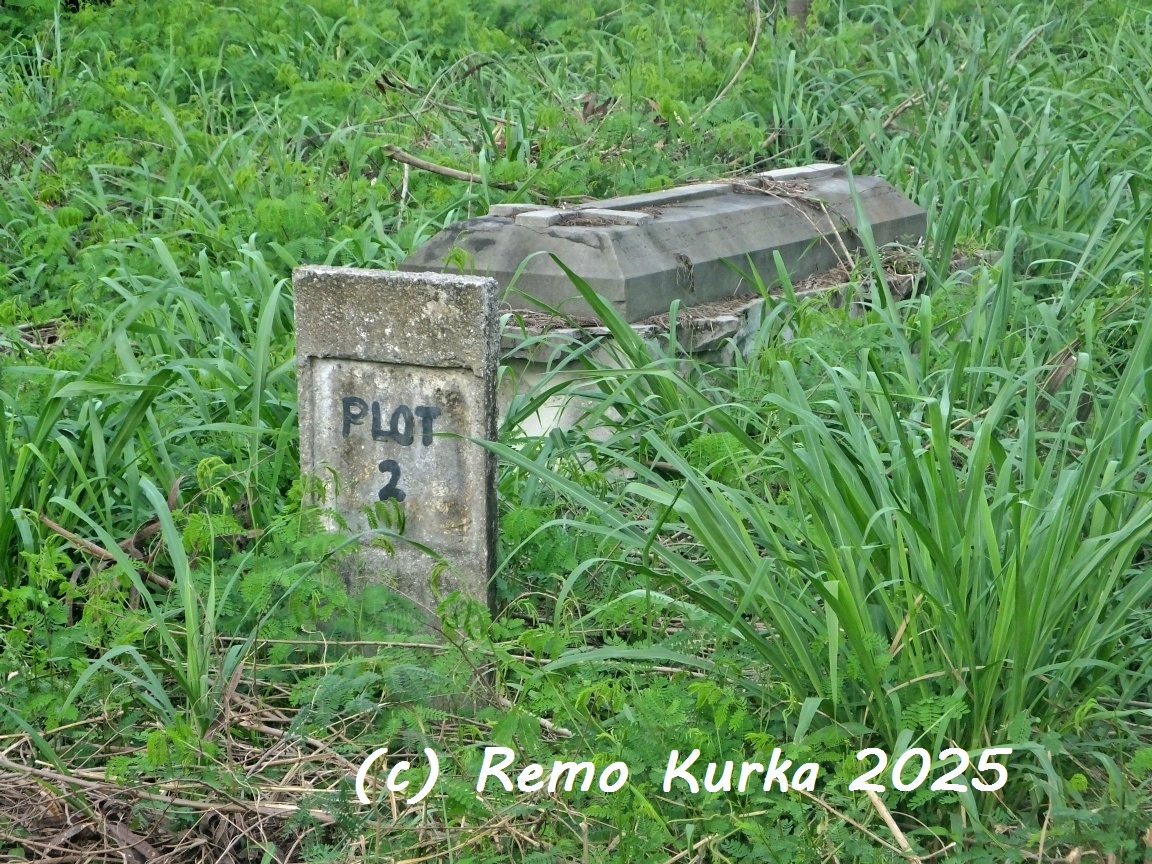
The real reward lies in field research — brushing aside centuries of overgrowth, using LED torches to catch shadowed carvings, and piecing together faded inscriptions from dusty ledgers. Take Private Thomas Hale, 2nd WIR, who died of camp fever in August 1824, just after the Ashanti siege of Cape Coast Castle. His gravestone leans like a survivor of the battle itself, a relic untouched by modern documentation. Unlike the 1874 fever-row stones, Hale’s memorial has never been photographed, geotagged, or mentioned on tourism sites — making this research the first digital breath for a ghost who has sat under the grass since Queen Victoria’s reign.
Similarly, figures like Lieutenant John Williams, Edward Huntingford, and the nursing sister who tended fevered soldiers highlight the spectrum of experiences within the regiment: valor, loss, and quiet heroism. Each stone offers a narrative that conventional history often overlooks, emphasizing personal stories amid imperial campaigns.
Connecting the Archive to the Digital Age
There is tremendous potential to integrate these discoveries into digital platforms. Imagine a subdomain dedicated to the 2nd WIR’s West African campaigns, linking Cape Coast to the Gambia with interactive maps, augmented reality overlays, and archival photos. Visitors could track regiment movements from Anomabu to the Senegambia, explore Fever Row stones, and learn about the often-invisible contributions of porters, nurses, and support staff. This approach bridges tangible history with immersive storytelling, giving life to forgotten lives while preserving historical accuracy.
Why This Research Matters
We do this for the people behind the names: for Hale, who never saw his story recorded; for Williams and Huntingford, whose lives were cut short by war and disease; and for the nurses who labored silently, mopping fever from strangers’ brows. By documenting, transcribing, and digitally preserving these stones, we honor their memory and restore them to the historical spotlight.
The 2nd West India Regiment’s story is not just a footnote. It is a thread that weaves Cape Coast Castle, the Fever Row graves, and the Gambia River campaigns into a single tapestry — a testament to resilience, duty, and the enduring echoes of colonial West Africa.