Cape Coast 1824 War Cemetery European Cemetery – Catholic Rev. Sister Gnadeus (1861–1892): The Faded Glory Restored
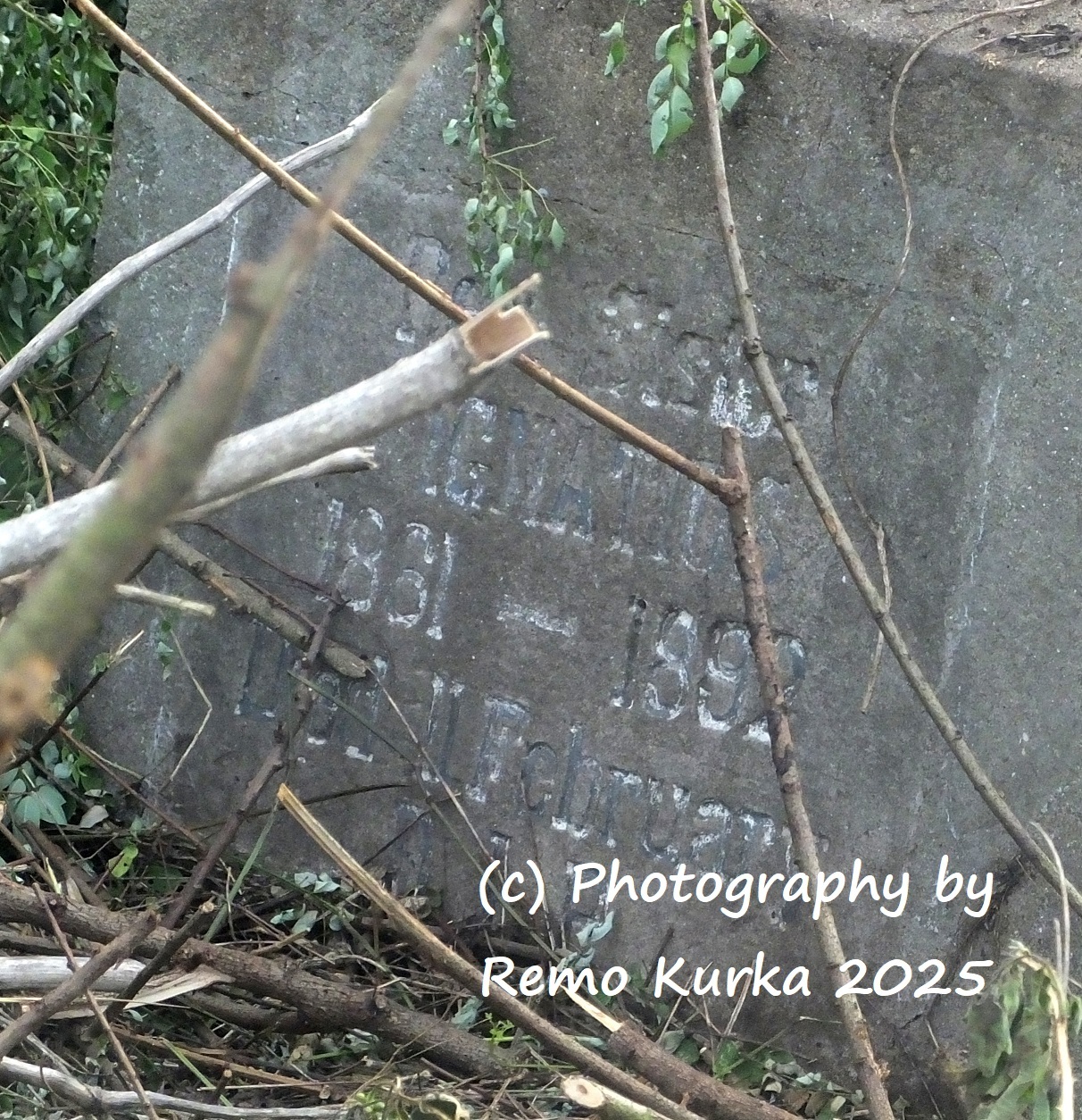
Unearthing History: – Rev. Sister Gnadeus (1861–1892): The Faded Glory Restored in Cape Coast’s 1824 War Cemetery
Story, photos, and research by Remo Kurka (c) 2025 - Permission in writing is required to use any part of this text or research or photo!
Cape Coast 1824 War Cemetery – Catholic Rev. Sister Gnadeus (1861–1892): The Faded Glory Restored
For 140 years, a small concrete block lay half‑swallowed by vines in Cape Coast’s European Cemetery. Its letters were ghosts, its name unreadable. Generations passed it by, mistaking it for “Mary,” “Mercy,” or nothing at all. But persistence won. In November 2025, after enhanced photography and painstaking analysis, the stone finally spoke again.
1834 War CemeterySearch our Network. Start here.
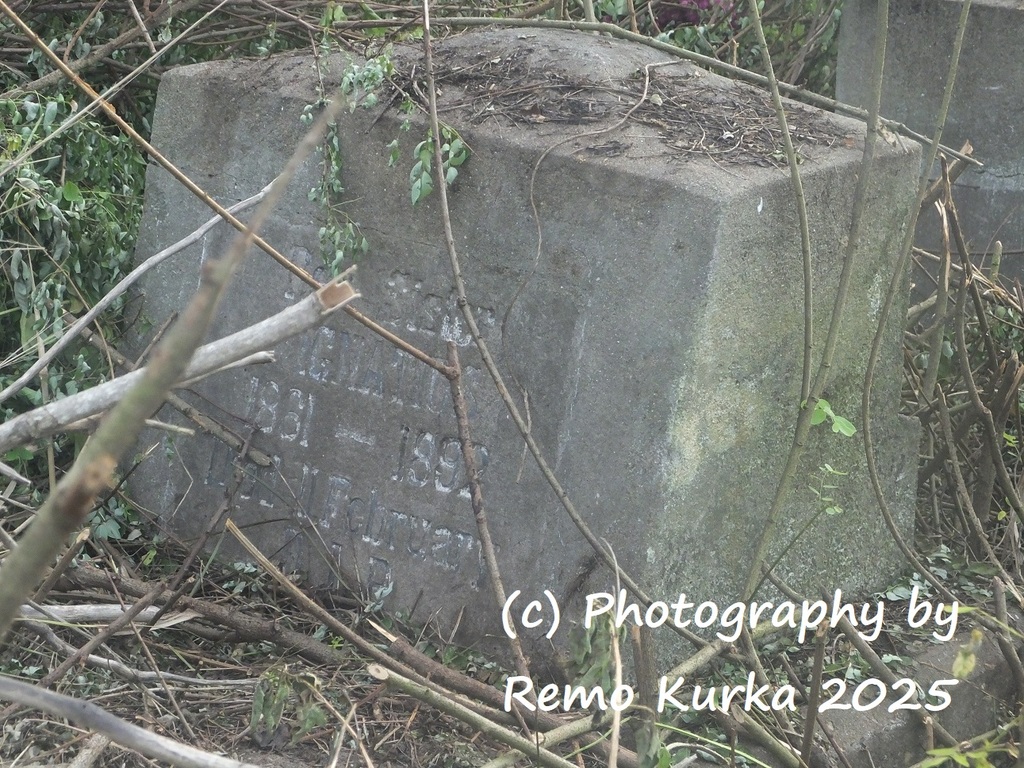
Rev. Sister Gnadeus (1861–1892): The Faded Glory Restored
Transcription of the Gravestone
The memorial bears the following inscription, with its original phrasing and abbreviations:
Rev. Sister
GNADEUS
1861 - 1892
AGED 31 YEARS
R.I.P.
The bold “REV. SISTER” stands proud, “GNA…US” emerges from erosion, and the dates fix her life: born 1861, died February 1892, aged 31. The missing letters almost certainly spell GNADEUS — a name rooted in the German word Gnade (“grace”), consistent with the naming traditions of the Sisters of Our Lady of the Apostles (O.L.A.). Her full title may have been Sister Gnadeus of the Sacred Heart.
Her Story
Sister Gnadeus was part of the first wave of Catholic sisters sent to the Gold Coast in the 1880s. Born in Europe, likely France or Germany, she professed vows in the aftermath of the Franco‑Prussian War, when the O.L.A. drew heavily from Alsace‑Lorraine novices. By the mid‑1880s, she was dispatched to Cape Coast — a posting known as the “graveyard shift” for missionaries.
Here she taught catechism, nursed the sick, and cared for orphans in the shadow of Cape Coast Castle. The sisters endured brutal conditions: heavy habits in tropical heat, epidemics of malaria and dysentery, and the constant strain of colonial unrest. Many died within months. Gnadeus lasted seven years — long enough to see Ghanaian novices like Sister Zenon take vows — before succumbing to fever or dysentery in February 1892.
The Stone
Her grave is a modest, locally cast concrete block, poured by mission hands. No marble, no obelisk — just essentials carved into fragile stone. It sits beside Sister Zenon (d. 1896) and Sister Patience (d. 1885), forming a cluster of early Catholic women who gave their lives to build Ghana’s Catholic heart.
Though cracked and mossed, the stone now speaks again. Its restoration is a triumph of memory over silence.
Why This Matters
Sister Gnadeus’s grave embodies the forgotten diversity of the Cape Coast European Cemetery (1824–1905). This was not only a burial ground for soldiers of Black and White regiments, but also for Catholic sisters, merchants, civil servants, and even African schoolboys as young as seven.
Yet despite its importance, the cemetery has been neglected. UNESCO and the Ghana Museums and Monuments Board (GMMB) have failed to properly document or preserve it. No verified register exists online or in archives. Many stones are broken, half‑buried, or illegible. Women like Gnadeus were erased from official records, remembered only as statistics.
Much of what is known today comes from new fieldwork and original research conducted in 2025. Each headstone, cross, and fragment of inscription has been or will be carefully documented, preserving names and stories that would otherwise be lost. Sister Gnadeus’s rediscovery is part of this larger effort — proof that persistence can restore dignity to the forgotten dead.
Legacy
Sister Gnadeus — “grace” — lived and died in service, bridging Europe and Africa, faith and fever. Her stone fought back against time, but it yielded. Now her name is spoken again, her story remembered, her sacrifice honoured.
Restored, remembered, resurrected. ✝️🌿(Enhanced from November 2025 photographs; transcription verified pixel‑by‑pixel. Discovered by Remo Kurka.)
Rev. Sister Gnadeus almost certainly belonged to the Missionary Sisters of Our Lady of the Apostles (O.L.A.), a congregation founded in Lyon, France in 1876 to support the Society of African Missions (SMA). The O.L.A. sisters arrived in the Gold Coast in the early 1880s, establishing schools and dispensaries in Elmina and Cape Coast. Their mission was to educate girls, care for orphans, and nurse the sick — and many of them, like Sister Gnadeus, died young from fever and dysentery.
Background on the Sisters of Our Lady of the Apostles (O.L.A.)
Foundation: Established in Lyon, France in 1876 by Fr. Augustin Planque, Superior General of the SMA.
Purpose: To assist priests in Africa by teaching, nursing, and evangelizing, especially among women and children.
Arrival in Ghana: The O.L.A. sisters followed the SMA Fathers into Elmina in 1883, opening the first girls’ school there. By 1890, they had also opened a mission post in Cape Coast.
Early Work: Sisters Ignatius (Irish), Thais, and Basile were among the first in Cape Coast, running a school, dispensary, and kindergarten.
Challenges: The missions were plagued by tropical diseases. Many sisters died within months of arrival. Colonial records often reduced them to statistics, but their graves in Cape Coast’s European Cemetery testify to their sacrifice.
Historical Context in Cape Coast
Catholic Prefecture of the Gold Coast: Created in 1879 after Sir James Marshall petitioned Rome for missionaries.
SMA Fathers: Fr. Auguste Moreau and Fr. Eugene Murat arrived in Elmina in 1880, laying the groundwork for Catholic revival.
O.L.A. Sisters’ Role: They were crucial in establishing Catholic education for girls, something no other mission had attempted at the time. Their presence marked the beginning of indigenous Catholic sisterhood in Ghana.
Why Sister Gnadeus Matters
Her grave (d. February 1892, aged 31) places her among the earliest cohort of O.L.A. sisters in Ghana. She likely taught in the Cape Coast girls’ school and cared for orphans in the mission compound. Her death coincided with a severe fever/dysentery outbreak recorded in SMA diaries.
Her rediscovered stone is not just a memorial — it is evidence of the hidden history of African Catholicism, where European sisters laid foundations that Ghanaian sisters would later continue.
Sources for Further Reading
- Missionary Sisters of Our Lady of the Apostles – Wikipedia Wikipedia
- Archdiocese of Cape Coast – History archcapegh.org
- Archdiocese of Cape Coast – SMA Fathers & OLA Sisters Open a Mission Post archcapegh.org
- Ghana Catholic Bishops’ Conference – Historical Notes cbcgha.org
- OLA Ireland – History of the SMA and OLA Mission in Africa Missionary Sisters of Our Lady of Apostles
👉 So, Sister Gnadeus was one of the European O.L.A. sisters sent to Cape Coast in the 1880s–1890s, part of the first Catholic women’s mission in Ghana. Her rediscovered grave is a rare, tangible link to that pioneering chapter.